

There’s a weird little moment that happens when someone first stares at 20:30 military time. The brain pauses. Not dramatically. Just enough to feel like your eyeballs tripped on a stair that wasn’t there.
I remember sitting at an airport once, half-asleep, sandwich in hand, watching a departure screen blink between numbers. A flight to somewhere snowy said boarding at 2030 military time, and for a split second I genuinely wondered if I had accidentally entered the future. Airports do that to people though. They make ordinary clocks feel suspicious.
The truth is, 20:30 is simply 8:30 PM in the 24-hour clock system. That’s it. Nothing secretive. Nothing cinematic. Yet somehow, the first encounter with military time always feels slightly like decoding submarine instructions while chewing gum.
And honestly? Learning it is easier than people think. Tiny kids understand dinosaurs before taxes, so adults can absolutely understand the military clock format without needing a calculator taped to their forehead.
In this guide, we’ll walk through what does 20:30 military time mean, how military time works, why hospitals and airports love it so much, and how to stop confusing PM time conversion with mathematical wizardry. There’ll be examples, practical uses, tiny stories, and probably a few oddly specific comparisons because time itself is already kinda strange.
| Military Time | Standard Time | Description |
|---|---|---|
| 20:30 | 8:30 PM | Thirty minutes past eight in the evening |
| Format | 24-hour clock | Commonly used by military, healthcare, and transportation |
| Conversion | 20 − 12 = 8 | Convert to 8:30 PM for 12-hour time |
| AM/PM Needed? | No | Military time does not use AM or PM |
What Does 20:30 Military Time Mean?
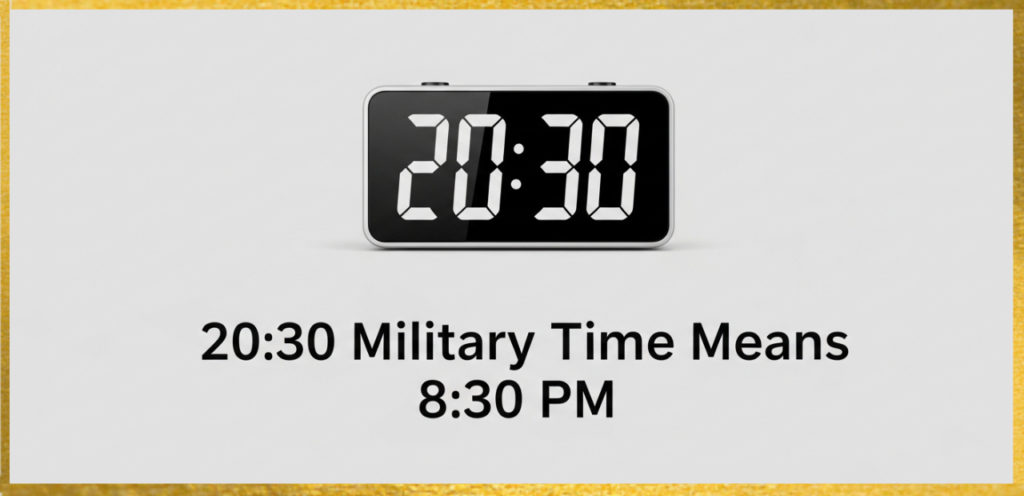
At its simplest, 20:30 military time means 8:30 PM in the regular civilian clock system.
Here’s the thing most people miss: military time is just a cleaner version of telling time. It removes the whole AM and PM guessing game. Instead of using a 12-hour clock, it uses a 24-hour clock where the hours continue counting after noon.
So:
- 00:00 = midnight
- 01:00 = 1 AM
- 08:30 = 8:30 AM
- 12:00 = noon
- 13:00 = 1 PM
- 18:00 = 6 PM
- 20:30 = 8:30 PM
- 23:59 = one minute before midnight
- 24:00 = end of the day in some systems
The easiest trick for understanding military time conversion is this:
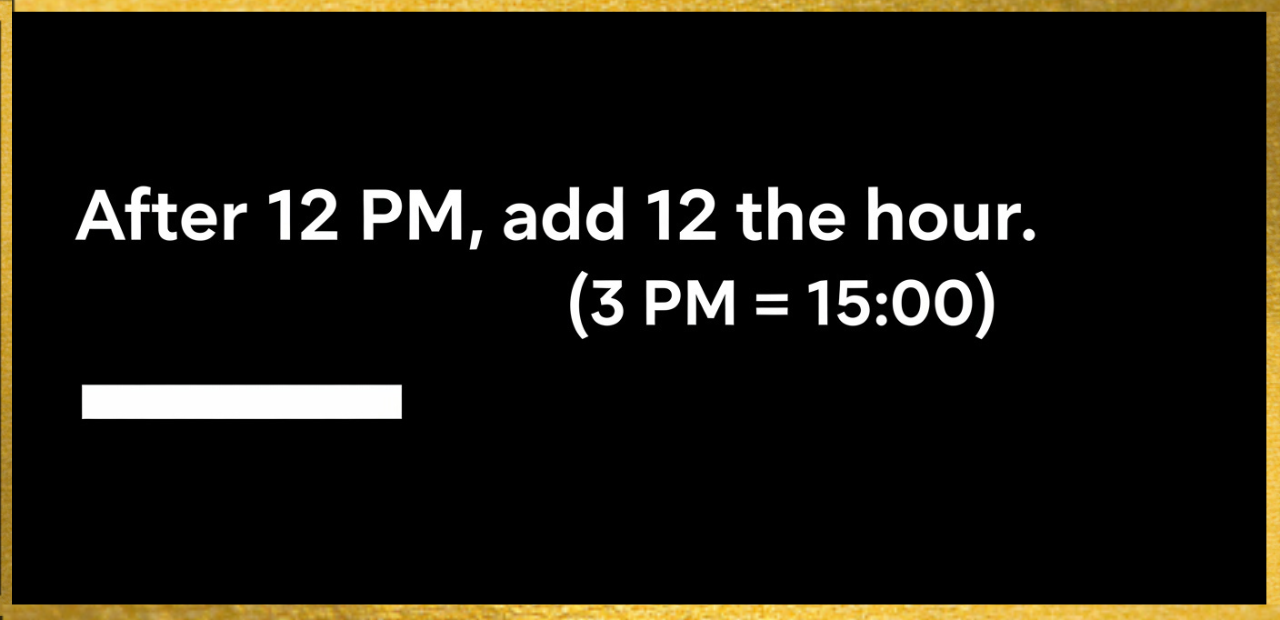
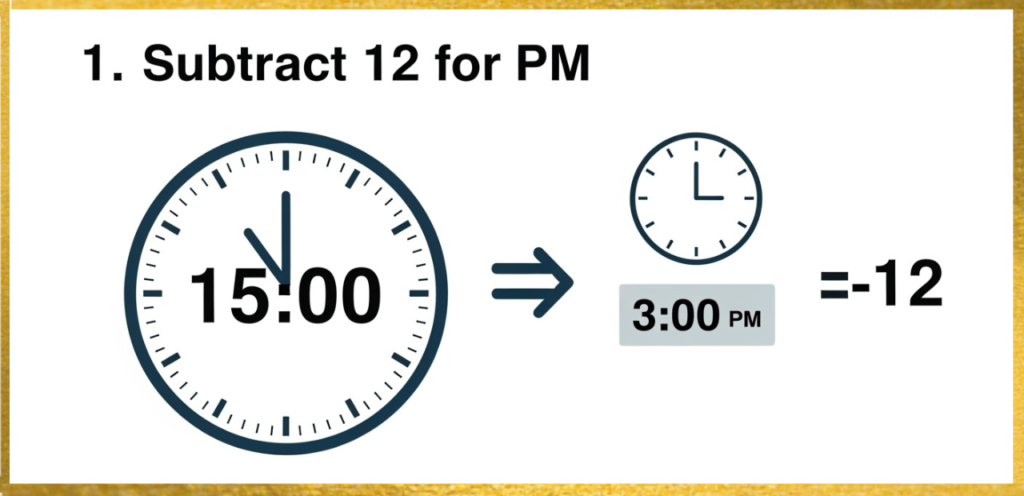
If the hour is above 12, subtract 12.
That’s the famous subtract 12 rule, and honestly it deserves a tiny award for carrying generations of confused people through airports and hospital paperwork.
So:
20-12=8
That gives us 8:30 PM.Simple. Clean. Slightly smug-looking.
Why Military Time Exists in the First Place
People often ask, “Why not just use normal clocks?”And the answer is because humans are chaotic little gremlins sometimes.
Imagine a nurse reading medication instructions at 8:30. Was it morning or evening? A pilot coordinating flights across countries. A train dispatcher managing departures. One tiny misunderstanding could create enormous confusion.
That’s why industries needing precision scheduling rely on the timekeeping system known as military time.
Some major places where it’s used include:
- aviation scheduling
- healthcare scheduling
- emergency services timing
- railway schedules
- international businesses
- flight coordination
- hospital scheduling
- global scheduling
- military schedule format
The goal is always the same: clear time communication.A paramedic once said in an interview shared by healthcare educators that during emergencies, nobody wants ambiguity floating around like loose spaghetti. If someone says 08:00 or 20:00, everybody instantly understands.That level of communication clarity saves mistakes, and sometimes even lives.
Understanding the 24-Hour Clock Without Overthinking It
The brain loves patterns. Even when pretending it doesn’t.
Military time follows a very predictable structure:
- Morning hours stay mostly the same
- Afternoon hours add 12
- Evening times continue upward until midnight
So:
- 1 PM becomes 13:00
- 2 PM becomes 14:00
- 6 PM in military time becomes 18:00
- 8:30 PM in military time becomes 20:30
- 11 PM becomes 23:00
This is part of the broader time representation system used worldwide.Many countries naturally use the international time format already. Americans sometimes find it unfamiliar because the AM/PM notation system dominates there, but much of Europe and Asia use the 24-hour notation casually on phones, train tickets, and digital devices.
Honestly, your smartphone probably already speaks military time behind your back.Tiny rectangle traitor.
A Quick Military Time Chart for Beginners
People learning military time usually memorize patterns faster when they see examples together.
Here’s a simple military time chart:
| Standard Time | Military Time |
|---|---|
| 12:00 AM | 00:00 |
| 1:00 AM | 01:00 |
| 8:30 AM | 08:30 |
| Noon | 12:00 |
| 1:00 PM | 13:00 |
| 3:00 PM | 15:00 |
| 6:00 PM | 18:00 |
| 8:30 PM | 20:30 |
| 11:59 PM | 23:59 |
That leading zero in times like 01:00 or 08:30 is called a leading zero, and it’s a core part of the military time structure.Without it, clocks would look kinda uneven and emotionally untucked.
How to Convert Military Time to Standard Time

A lotta people panic at the phrase convert military to standard time, but it’s mostly basic subtraction wearing sunglasses.Here’s the method:
If the number is under 12:
It stays AM.
- 08:30 = 8:30 AM
If the number is exactly 12:
It’s noon.
- 12:00 = noon
If the number is above 12:
Subtract 12 and add PM.
20:30-12:00=8:30\text{ PM}
That’s the basic hour conversion method used in nearly every military time tutorial online.
And yes, after enough practice your brain starts doing it automatically. Kinda like recognizing your mom’s footsteps from another room when you forgot to wash dishes.
How to Convert Standard Time to Military Time
This part confuses people more than it should, mostly because humans enjoy making simple things dramatic.
To convert standard to military time:
- Morning times stay the same
- PM hours add 12
- Midnight becomes 00:00
Examples:
- 8:30 AM = 08:30
- 6 PM in military time = 18:00
- 8:30 PM in military time = 20:30
- Midnight = 00:00
So if someone asks:
“What is 1500 military time?”
The answer is:15-12=3Meaning 3 PM.Easy enough that even tired coffee-deprived students can survive it.
Probably.
Is 20:30 AM or PM?
This is one of the funniest beginner questions because it accidentally reveals how deeply the 12-hour clock system is wired into people’s brains.
The answer is:
20:30 is PM. Specifically, 8:30 PM.
There is no AM attached because military time already eliminates the need for AM and PM labels.
That’s why the system works so well for:
- meeting scheduling
- work shifts
- travel timing
- train departure timing
- bedtime schedule
- dinner time
- shift timing
No ambiguity. No accidental 8 AM alarms when you meant evening.
Which, sadly, many of us have experienced at least once while feeling personally betrayed by our phones.
Why Hospitals Use Military Time
If you’ve ever looked at hospital paperwork, medication charts, or nurse schedules, you may have noticed the heavy use of military time.
There’s a very important reason.
In medicine, a misunderstanding between AM and PM can create dangerous errors in:
- medication timing
- surgery preparation
- patient monitoring
- emergency response
- overnight care routines
That’s why hospital scheduling often uses the standardized time format of the 24-hour clock explained through professional training.
A nurse quoted in educational materials by healthcare trainers once joked:
“At 3 AM nobody wants to solve riddles about time.”
And honestly? Fair enough.
Military Time in Real Life
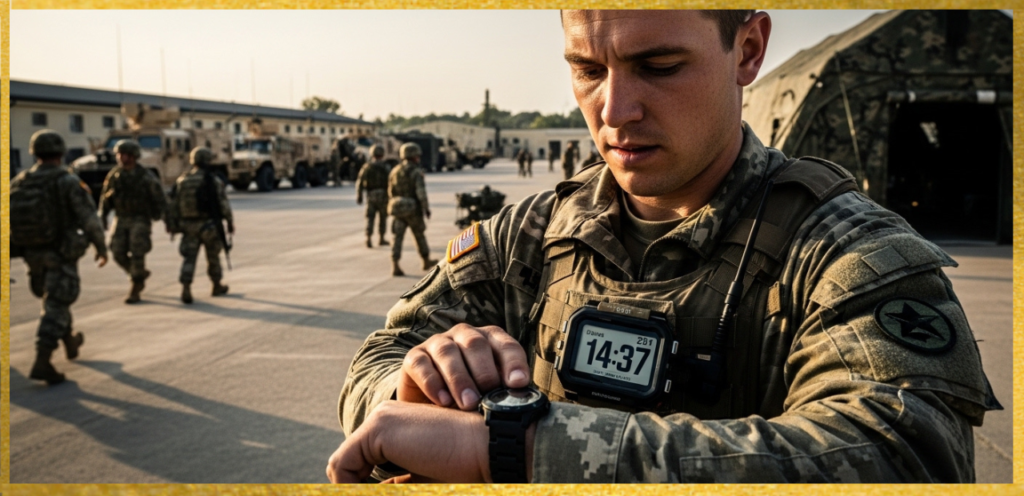
One thing people don’t realize is how often they already encounter military time casually.
You’ll see it in:
- phone settings
- airline tickets
- gaming servers
- GPS systems
- train stations
- military movies
- global business meetings
- digital clocks
- fitness trackers
Even international gaming communities use it because players live across different time zones.
An online teammate in Germany saying “match starts at 20:30” avoids confusion instantly.
That’s the beauty of a shared numeric time system.
Learning Military Time as a Skill
There’s actually educational value in learning military time beyond simply reading clocks.
Teachers sometimes use it for:
- math literacy
- foundational math literacy
- pattern recognition
- numerical patterns
- time conversion skills
- structured learning
Organizations and educators like Brighterly, along with contributors such as Marvi M. Andres, Franz Jerby Delos Santos, and Maila Caliao, have created beginner-friendly materials helping students understand military time practice through visual examples and repetition.
A good Math Tutor or classroom Reviewer often teaches military time because it strengthens logical sequencing and mental calculation habits.
Funny enough, kids sometimes learn it faster than adults because they haven’t yet built emotional resistance to numbers above 12 on clocks.
Adults stare at 17:00 like it owes them rent.
Common Military Time Mistakes
Everybody makes mistakes at first. Truly. Even smart people with color-coded calendars and expensive pens.
Here are the most common ones:
Forgetting the Leading Zero
- Wrong: 8:30
- Correct: 08:30
Mixing Up Midnight
People constantly debate:
“Is midnight 24:00 or 00:00?”
Technically both can appear depending on context, though 00:00 is more common in digital systems.
Confusing PM Hours
Some learners forget the hours greater than 12 rule and assume 20:30 means 20 o’clock somehow floating outside reality.
Nope. Just subtract 12.
Reading It Too Literally
You don’t say:
“Twenty thirty pee em.”
You simply interpret it as:
“8:30 PM.”
Though honestly, saying “twenty thirty” out loud does make you sound oddly efficient.
Like someone who owns tactical flashlights.
How Soldiers and Professionals Use Military Time
In military environments, synchronized timing matters constantly.
You’ll often hear stories about:
- soldiers syncing watches
- coordinated operations
- transportation windows
- mission planning
- emergency responses
The system reduces misunderstanding in high-pressure situations where seconds matter.
But military time isn’t only military anymore. It’s used by:
- airlines
- hospitals
- logistics companies
- tech firms
- international teams
- railway operators
This broader professional time communication creates smoother coordination globally.
Especially when different countries already use different local clock habits.
Easy Tricks to Remember Military Time
If you’re still struggling with understanding military time, try these memory tricks.
The “Add 12” Rule
For PM times:
8:30+12:00=20:30
Recognize Time Ranges
- 00:00–11:59 = morning
- 12:00 = noon
- 13:00–23:59 = afternoon and evening
Practice Daily
Convert random times casually:
- microwave timer
- gym schedule
- TV listings
- bedtime alarms
Tiny repeated practice works way better than trying to memorize giant charts in one sitting while eating chips angrily.
Military Time Examples That Actually Help
Here are some useful everyday examples:
- Breakfast at 08:30
- Lunch at 12:00
- Dinner at 18:00
- Movie starts at 20:30
- Last train leaves at 23:59
Seeing military time attached to real activities helps your brain connect numbers to lived experience instead of abstract math.
That’s why many teachers encourage practical military time examples rather than pure memorization.
The Difference Between Military Time and Standard Time
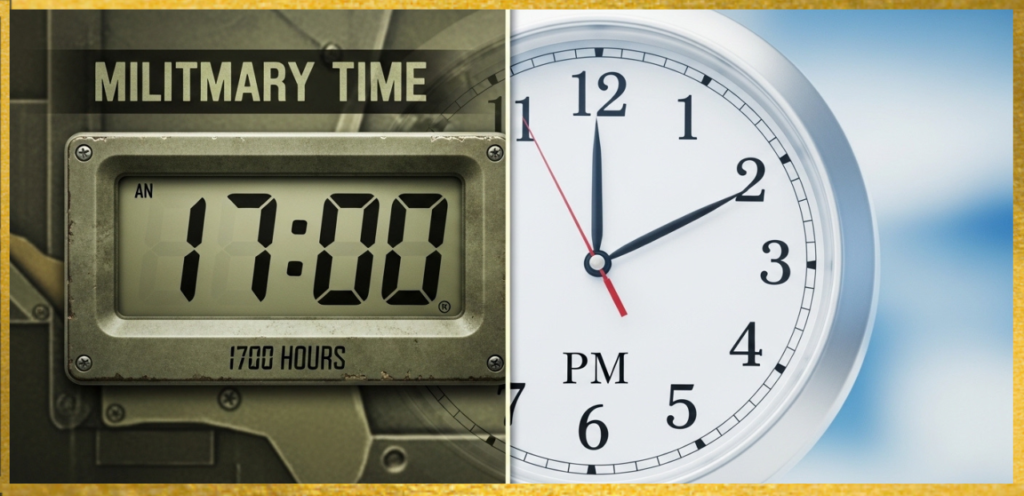
The biggest difference between military vs standard time comes down to clarity.
Standard Time
- Uses AM and PM
- Repeats hours twice daily
- Familiar to many people
Military Time
- Uses 24 hours continuously
- Removes AM/PM confusion
- Better for precision
That’s why industries needing avoiding time confusion prefer military time systems.Especially in global operations involving international businesses and multiple countries.
Read this blog https://wittechys.com/5-inches-long-3/
Final Thoughts on 20:30 Military Time
At the end of the day, 20:30 military time simply means 8:30 PM. That’s all. No mystery bunker code. No elite math club handshake.
Just a cleaner way to tell time.
And weirdly enough, once you understand it, the whole system starts feeling kinda elegant. Predictable. Calm. Like neatly folded towels but for numbers.
Whether you’re learning it for school, travel, healthcare work, gaming schedules, aviation, or simple curiosity, understanding military time gives you a tiny practical skill that pops up more often than expected.
So next time you see 2030 military time blinking on a screen somewhere, you won’t freeze like a raccoon spotting a flashlight in the woods.
You’ll know exactly what it means.
And if you’ve got your own funny military-time confusion story, favorite learning trick, or weird clock mishap, share it with others. Honestly those stories are half the fun of learning this stuff.